Don't Wait To Insulate! Get A Free Estimate:



Why Is R-Value So Important?
February 16, 2015
 When it comes to keeping your home warm all winter long, energy efficiency plays an important role. The better your home is at keeping warm, heated air inside, and cool winter air outside, the lower your home heating costs will be. Not only does this reduce your environmental impact, but it helps keep your home at a more comfortable temperature without overworking your heating system.
R-values are the measurement of your home’s ability to prevent the transfer of heat. The larger the r-value of your home, the better job it does at preventing heat transfer. Here are a few ways to can improve the r-value of your home.
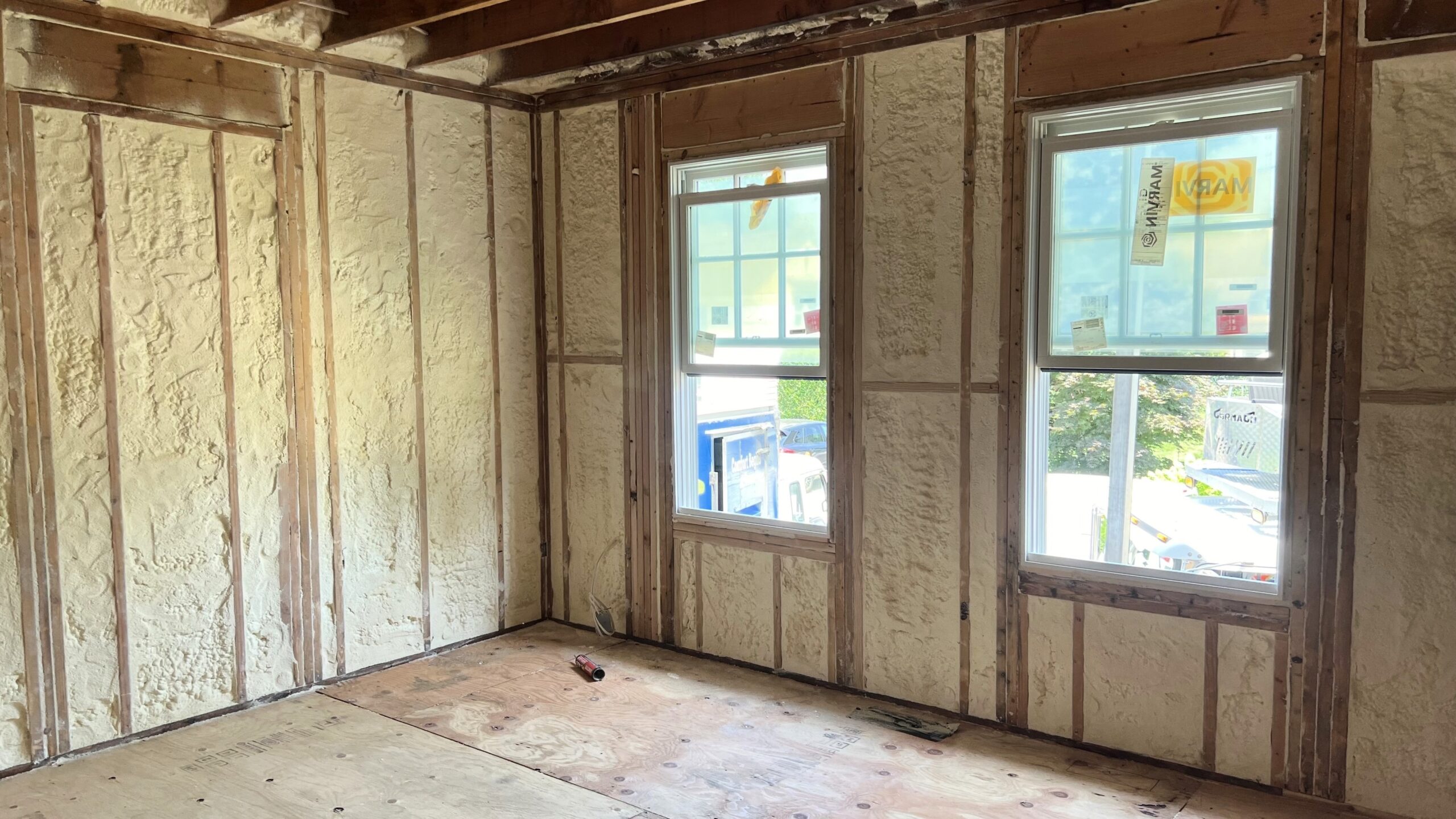
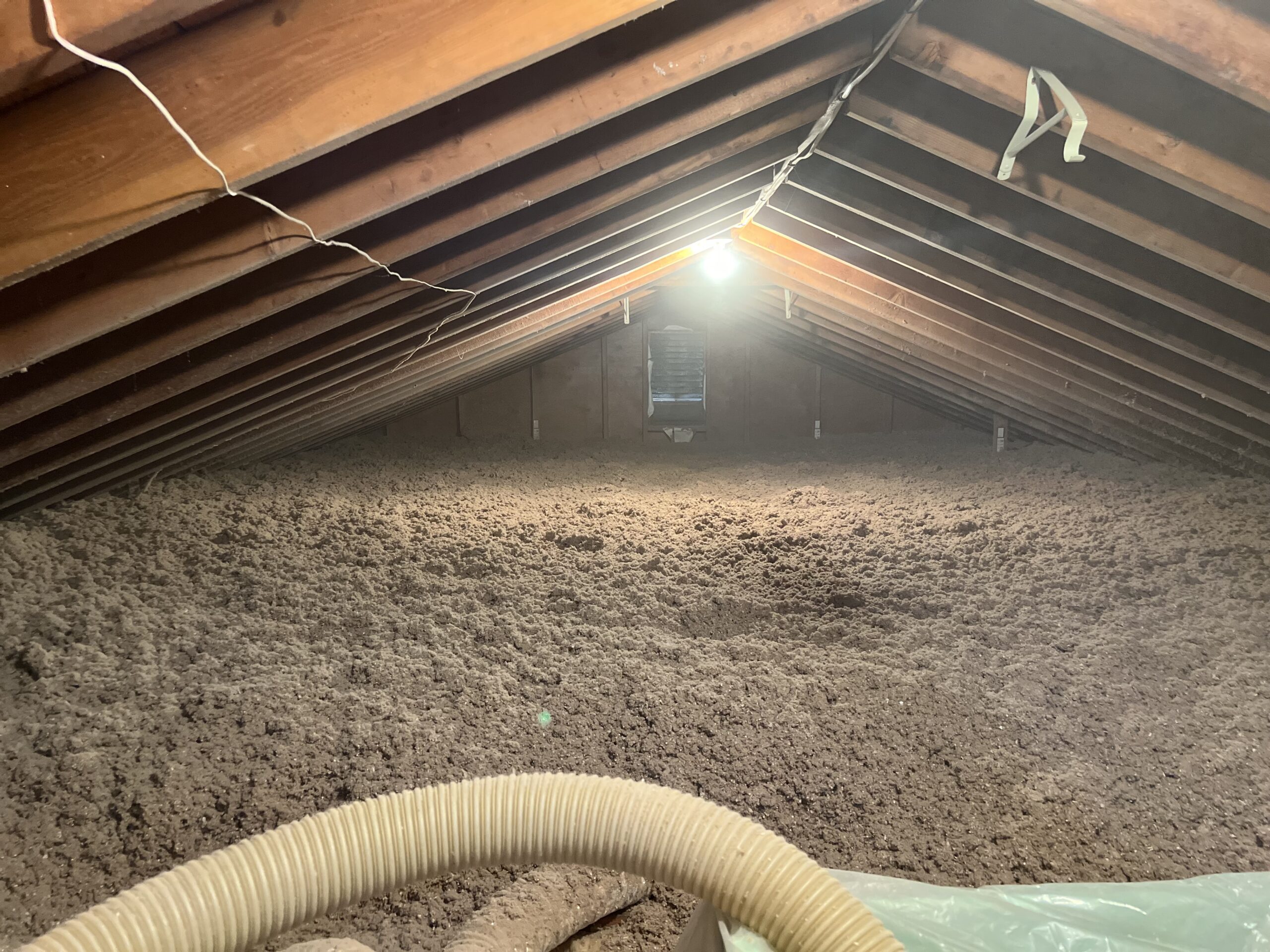
- Insulate – Insulating your home will improve it’s r-value and help conserve energy. Spray foam insulation is one of the best ways to improve your home’s insulation. Unlike fiberglass batting, spray foam covers every inch of your walls.
- Improve Your Standards – Insulate your walls and your roof. While walls should generally have an r-value of 19 and roofs a value of 30 or 40, you can improve these standards to make your home even more efficient.
Read more about energy efficiency and the role r-value plays in keeping your home warm this winter here: http://goo.gl/66epzv
You can also contact the professionals at Good Life Energy Savers! Our technicians are experts in making your home more energy-efficient. Call 203-297-6337 to contact our office. You can also visit our website to learn more about the services we offer.
Recent News
Finishing an Unfinished Space? Why Spray Foam Insulation Should Come First
August 10, 2026
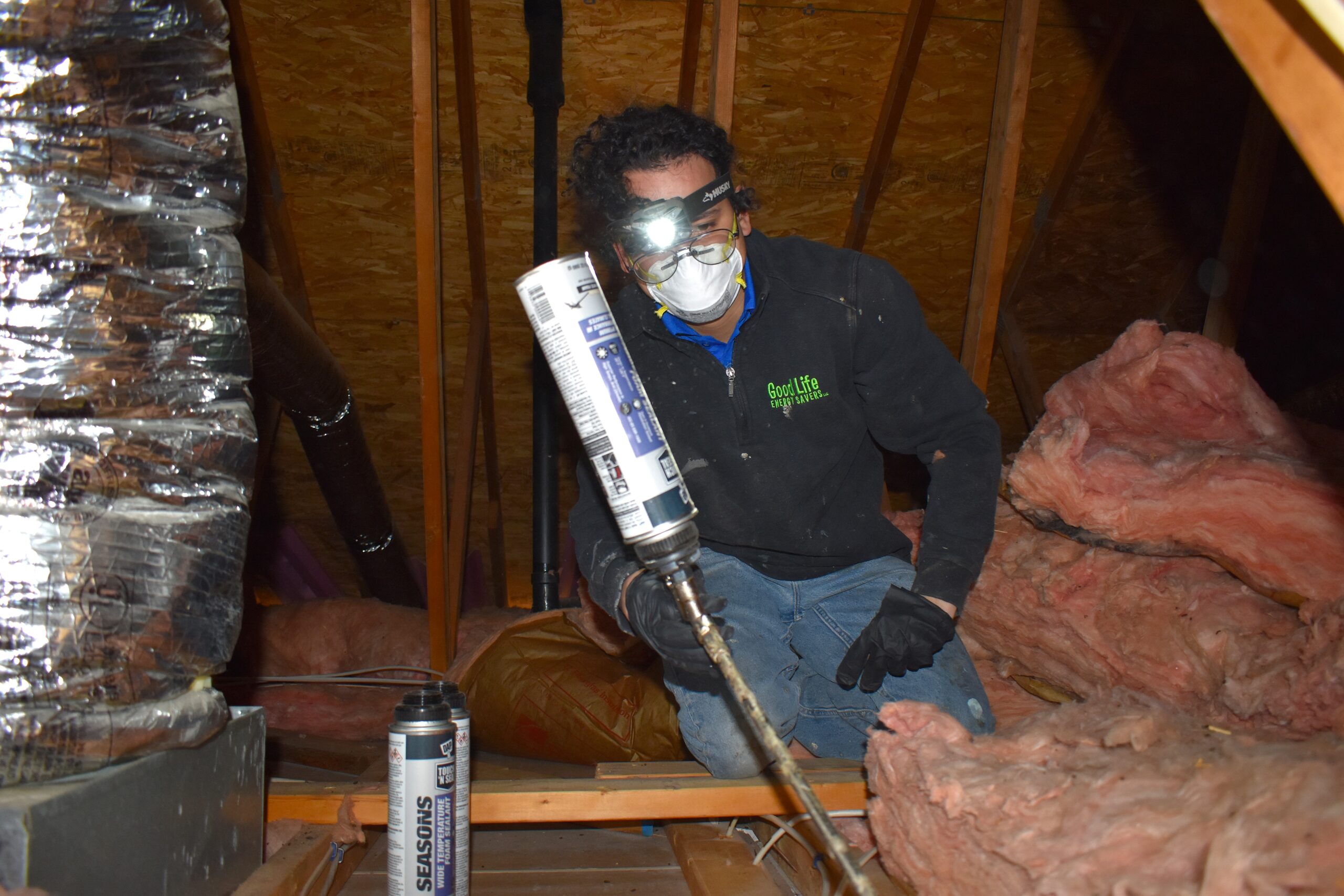
Winter is Coming! Don’t Wait To Insulate!
November 13, 2025
🎃 What’s Spookier Than a Haunted House? A High Energy Bill and No Insulation! 👻
October 17, 2025
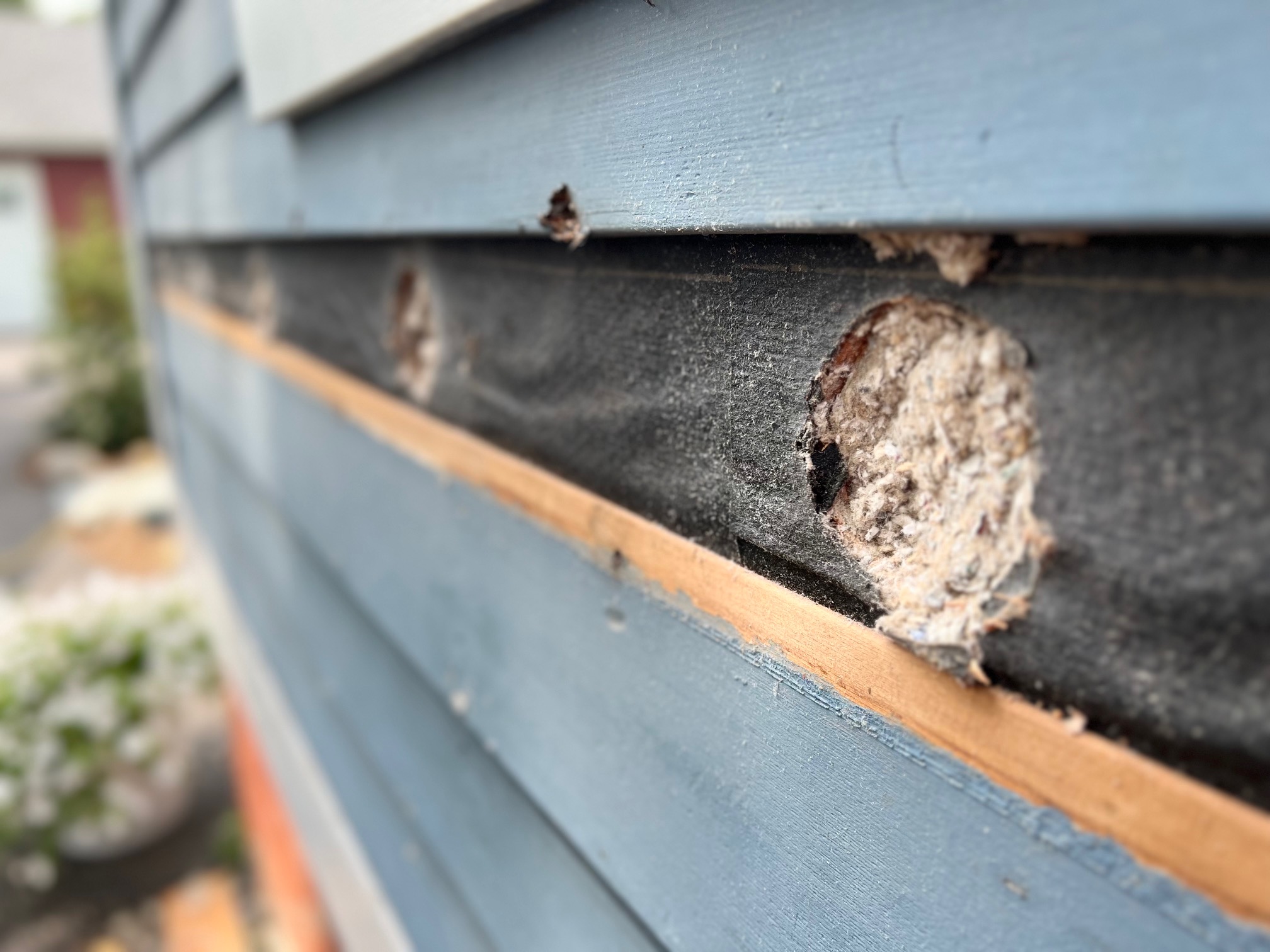
Why Insulation Is A Smart Investment For Your Home
September 17, 2025

Why Insulation Is Just as Important in the Summer as It Is in Winter
August 11, 2025
Why Attic Insulation Is Essential for Your Home
July 21, 2025